Artists
Downloads
Nov 03, 2026
Dummy: Inside The Machine, Outside The Box

Dummy evolved the way a lot of things did in 2020: out of necessity and too much time alone with a laptop. Emerging from the wreckage of another band, Joe Trainor and Emma Maatman started fooling around with music before deciding to build a new project around her voice, eventually pulling in Alex Ewell - who'd never played drums before - to sit behind the kit.
Joined by guitarist Nathan O’Dell, and later, touring bassist-turned-full-member Lance Umble, Dummy began recording during the depths of the pandemic, trading files and stitching sounds together before releasing two experimental EPs prior to finding their true indie pop voice.
Enter Ableton - stumbled upon almost by accident when producer Joo-Joo Ashworth began working on their sessions. Watching him work convinced Trainor and Ewell to start over inside the software, using the DAW as a compositional partner and trading project files back and forth with the rest of the band.
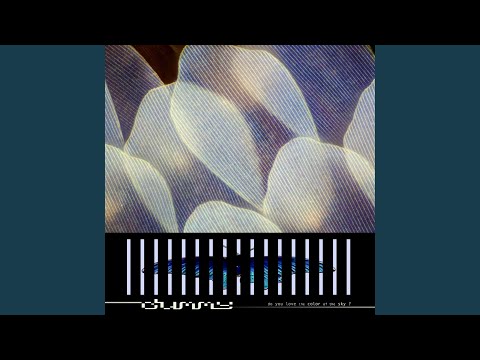
On their latest LP, Do You Love the Color of the Sky?, that shift has become total, with guitars running through dense, track-by-track effects chains until becoming almost unrecognisable. The record also comes with a companion "Dronus disc" - a drone and noisescape CD designed to be played simultaneously with the album proper.
It’s a strangely ambitious idea that only makes sense once you understand how deeply Ableton is baked into how Dummy thinks about sound.

Dummy - “Full Spectrum Dominance”
How did you guys come together to form Dummy?
Joe Trainor: We basically formed out of the ashes of our old band. Upon moving to LA, I knew that I wanted to start a band with Emma because we’d lived together in Baltimore and worked on a music project that was basically us on a Sunday getting stoned and recording stuff.
Eventually, all of that led to one song, but I loved her voice and knew she’d be a great fit for what I’d envisioned the band to be. It didn’t work out with our former drummer and I was resistant to including Alex initially because we’re in a romantic relationship. When it comes to bands, we know how that usually goes!
Alex Ewell: Before joining Dummy, I was making ambient synth-scape stuff and had never been in a band before. I’d never played drums either, but I decided to try out and here we are. It was a long process and I've changed a lot as a drummer over the years. I'm actually quite an unconventional player because I'm a lefty and play open-handed.
Joe: After the first couple of practice sessions, Alex seemed to implicitly understand what the songs needed as a drummer, which was a relief because I knew what I wanted in my head. He didn't overplay and wasn't fancy; he performed in a very minimal way.
Your debut LP, Mandatory Enjoyment, arrived in 2021, which indicates that you probably formed around COVID or just before. Did that period give you the downtime to map out the project?
Alex: That was a real developmental period for the band. Our second EP had all these experimental ambient pieces because we’d had so much time to practise and were just messing around. I remember being able to play drums a lot and wanting to come out of that whole period as a much more impressive drummer that was able to play for a good live band. Once the vaccines hit, we were back to practising twice a week and went on tour immediately.
Joe: Our listening habits ranged from Japanese ambient electronic music to Krautrock and stuff like The Velvet Underground. Then we tried to figure out how to crystallise those influences into our own indie pop/rock formula. During COVID, we started to approach music in a more electronic way while retaining the visceral feel of a rock band.
“AI fundamentally doesn’t make sense to us because the whole process of creation is what's so fulfilling about making music. Reducing that whole process down to a prompt that you’d give to some bot goes completely against how we experiment and the magical process of writing material.”
At what point did you decide Ableton could fulfil a role in the type of band that Dummy is?
Alex: We decided to start working on Ableton after producer Joo-Joo Ashworth began working on our projects. He was using the software, so we watched him and began to realise that it could not only work really well for us, but allow the group to interface and work off the same projects more easily.
Joe: Prior to that, our self-recorded stuff was all made on GarageBand, but transferring that over to Ableton was a huge nightmare, so we started the whole project again.
Alex: By the time we got to our most recent album, it felt like we’d learned so much about working in Ableton that we were able to do almost everything at the house before we even went into the studio. We had tons of stuff worked out in-the-box, which was a totally different dynamic to the first LP, which was actually recorded to tape. We basically started bouncing from a tape machine to Ableton before deciding that we were going to embrace our electronic affinity.
Joe: To me, digital music is the pinnacle of quality. I don't really buy into the whole analogue debate; it’s become more of a talking point to sell a record. I understand the reason to go analogue because you can get a warm sound, but our music has a pristine digital crispiness that I find really nice to listen to.

Dummy - “April Limousine”
You mentioned drumming was completely new to you - therefore Ableton must have been another steep learning curve. Did it click immediately or take time to get comfortable with the software?
Joe: Our early Ableton demos were probably way simpler and more rudimentary because we didn't have a grasp of plug-ins in the way that we do now. But our music has progressed in terms of what we’re trying to capture and create in our demos - initially from the raw rock stuff to diving into Ableton, which necessitates us trying to figure out new ideas.
Basically, I put the chords and arrangements together and then Alex will take the bones of that and start playing with it. The track April Limousine is a good example because it sounded completely different once it was filtered through Alex’s effects chain. I don't think either one of us would say we're experts in using Ableton. We come at it with a certain sense of naivety, recording everything physically before chopping it up into samples and warping it. But it's all coming from a real place.

Dummy in the studio with Ableton Live
Alex: Every time I went into the studio with Joo-Joo, I felt like I’d always come away with more knowledge that I could insert into our next studio session. We’d go from spending hours working on a project to seeing him do a little trick and thinking, “wait a second, what was that?” Once we’d unlocked Insert Time on Ableton, we found that we could change the whole structure of our songs. That process continues because the previous record was focused on synths, but Do You Love the Color of the Sky? is more about synthi-fying guitars by running them through a huge chain of filters and delays and panning stuff to create immersive textures.
Joe: At one point, it felt like we’d hit a wall with guitars and didn’t want to use them anymore; then we started thinking about how we could use Ableton to make a guitar sound weirder and change the context so it would sound different to us. A lot of the time, it’s become a new sound source where the end result sounds nothing like the original guitar tone – it’s been mangled or mutated into something totally different.
Dummy – “Alluvial Fan”
Are there any tracks that are a good example of that process?
Alex: For the song Alluvial Fan, I recorded one strum of a guitar, copied and pasted it into Ableton and manually went into each sample and changed the speed to a different pitch. By doing that, I was able to create a chord progression that became the starting point for the song. All of the tracks on the LP are focused on warping guitars to make them sound different, but there’s a lot of overlap because that process would lead to us creating rhythmic tremolo effects that became fun to try to recreate outside of Ableton.
In those terms, we’re recreating things backwards, which is useful because the band imposes an inner rule of having no laptops on stage. That means we’re focused on recreating sounds live in a way that’s more visceral and intense because we're playing everything through pedals.
Talk to us about Emma’s contribution. Full Spectrum Dominance tackles AI and the devaluation of art. Is that narrative something she’s responsible for as vocalist and lyricist?
Alex: We trust Emma’s vocals and lyrics, so we let her dictate that, but we definitely have conversations about album themes, motifs and whatever we're all currently angry about. She's a graphic designer, so AI is a really prescient topic for her.
Joe: Despite the album being beautiful in parts, it’s also full of anger and rage and Full Spectrum Dominance is probably the ugliest song on the record sonically. Emma’s thinking is very conceptual, so consciously or subconsciously she thought we should make the song messed up and nasty in a way that AI is messed up and nasty. In terms of how AI relates to art across the board, it's so anti-human and the people who are down with it could probably never create something genuine.
Alex: AI fundamentally doesn’t make sense to us because the whole process of creation is what's so fulfilling about making music. Reducing that whole process down to a prompt that you’d give to some bot goes completely against how we experiment and the magical process of writing material.
Joe: Part of the magic is the frustration. Dummy probably sits below the mainstream indie world, but we’re finding that AI is extremely unpopular with younger people. The money in indie music is pretty much non-existent and it’s really difficult to make a living off of art, but in our world it’s still wholesale rejected.
With five of you all contributing different elements, are you moving project files between you or does one of you own the shared session?
Alex: We have a band laptop and hard drive that we all work off of, so we just keep updated versions of our demos on Google Drive. That means Emma can go listen to them, record on her own and send us the stems to drop into. On April Limousine, we had a really basic idea with just a drum beat and a guitar loop, sent it over to Emma and asked her to improvise some vocals so that we had something to play around with in Ableton. She sent back something immediately and the first sound you hear is this vocal loop that I’d chopped up really specifically.
Why use Ableton for effects chains rather than run instruments through various hardware outboard?
Alex: We do have a decent number of guitar pedals, but the Ableton effects give us a lot more flexibility and there’s this element of wanting to keep everything in the box just for the sake of syncing and having things quantised.
Joe: So much of the guitar and vocal sampling is in service to the rhythm and we like to make sure all of those things line up. It's way easier to do a ping pong delay in-the-box so that it's bouncing around perfectly.
Alex: I also really love the Ableton reverb. It’s something that I pretty much threw on every track we worked on and I find it to be so flexible. It works in any context and a lot of the stuff on the new album is cranked up with crazy long reverbs. For me pedal reverbs are always cold and metallic-sounding, but the Ableton one is very smooth.
The best reverb pedal we had was this Electro-Harmonix thing, but the Ableton reverb is way better in terms of recording. It all goes back to the B-side of our single Pepsi Vacuum, because that was when I fell in love with reverb and the whole idea of reversing vocals and having them as a little background texture throughout the song.

Dummy - “No of 1”
Did you find yourself leaning on racks or macros you’d created and reusing them for other songs, or were you making those decisions track by track?
Alex: Track by track for sure. I’d honestly never made any presets until we talked to y'all and went back to our old custom chains. We never reuse anything, but that mostly comes from being a synth nerd who likes to program everything. I just like to sit there with headphones, tweaking things until they sound really crazy or interesting to me.
That being said, there were some very specific settings that shaped some of the album sounds. I used Ableton’s Auto Filter LFO functionality a ton to create these crazy filter sweeps, and if you run those through a delay, a tiny plus or minus tweak can create a totally different sound effect. One of the effects that we sent to you was a filter that we used on a kick drum that completely obliterates it and clips the channel, but sounds really interesting.
Download Dummy’s free Ableton Goodies Pack
*Requires Live 12 Suite
Please note: This Live Set and included samples are for educational use only and cannot be used for commercial purposes
A unique aspect of the LP is the Dronus disc, which is designed to run simultaneously with the album. What lay behind that decision?
Alex: It came from a Mark Van Hoen project in the ‘90s called Locust. He did an album that was released as a twin CD where the whole premise was to create a multi-playback experience by playing both discs on two different players in two different rooms. I really like that idea a lot, but thought it would make more sense to create an auxiliary album that runs alongside the main release.
Joe: You don't need the Dronus disc to hear the album as we intended; it’s just this extra little thing if you want to get spicy with it and listen to them together. The impetus came from muting things in the studio and discovering drone loops. Then we started talking to our label Polyvinyl about how a lot of the guitar sounds are really mesmerising and how it would be a shame to only have them on the album because they're so nice to listen to on their own.
Given that the Dronus disc is meant to run alongside the main LP, did you have to think about some sort of tempo key relationship between the two Ableton sessions?
Alex: I just grabbed tracks from the real songs, took them over to a new project and started playing around with effects and loops. All of it was copied over, so the tempo and key stuff was automatically the same. Eventually, we're going to release the Dronus disc as its own thing so you'll be able to stream it while playing the vinyl.